Significance
Humanitarian interventions are typically evaluated by lives saved, yet their cumulative environmental footprint and their dependence on fragile ecosystems remains largely unexamined. As climate change accelerates, altering rainfall patterns, intensifying drought, increasing heat stress, and destabilizing ecosystems, environmental constraints increasingly shape the feasibility, cost, and resilience of life-saving interventions.
This project investigates humanitarian nutrition as an environmental system as much as a medical one. It asks how RUTF production and delivery depend on:
Healthy watersheds and reliable water resources
Climate-sensitive agricultural landscapes
Energy systems and fuel-dependent logistics
Materials, packaging, and waste pathways
Land-use decisions in ecologically fragile regions
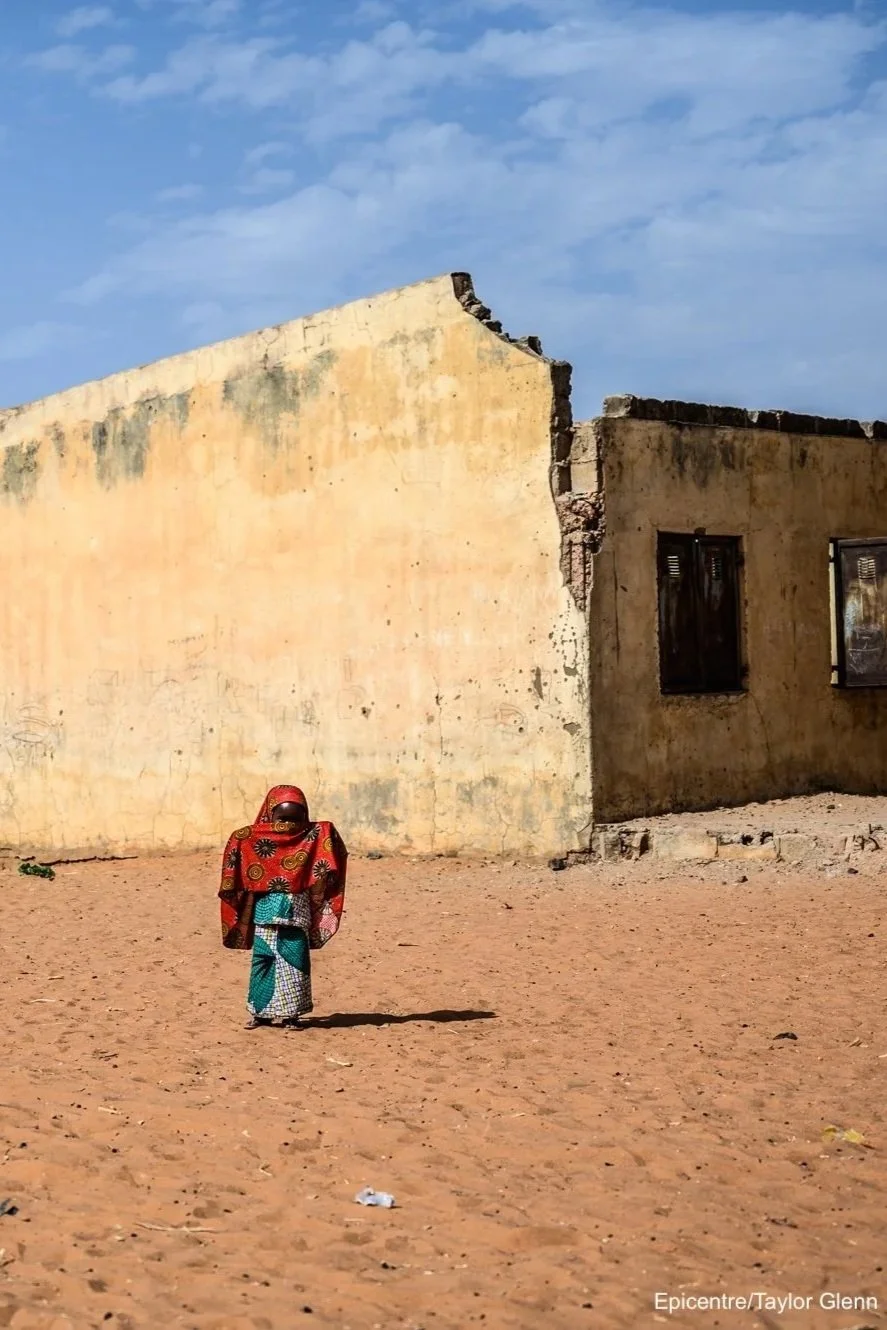
The project reveals how humanitarian nutrition interacts with natural resources, and how environmental limits ultimately shape decisions about scale, location, and sustainability.
The documentary traces RUTF across the environmental systems that make its production and delivery possible, following the supply chain through field-based research and on-the-ground documentation. From both rain-fed and irrigated agricultural landscapes where soil health, watershed stability, and climate variability determine ingredient yields, to water-stressed regions where competition for scarce resources shapes food processing and community resilience, the film situates nutrition within ecological context.
It examines manufacturing and processing through the lens of energy use, emissions, and material flows, including dependence on fossil fuels and emerging alternatives. Transport corridors are observed where roads, ports, and fuel networks pass through degraded lands, protected areas, and wildlife habitats. Finally, humanitarian delivery is documented in ecologically vulnerable regions marked by drought, deforestation, desertification, and biodiversity loss.