Outcomes
For environmental researchers and natural resource professionals, this project reframes humanitarian systems as active drivers of land use, water demand, energy consumption, and material flows rather than as concerns external to environmental stewardship. RUTF serves as a concrete case study in how global health interventions intersect with ecosystem integrity, climate risk, and resource governance.
The film does not question the necessity of life-saving nutrition. It treats RUTF as a triumph of innovation while examining what its global scale reveals about environmental trade-offs, system vulnerabilities, and opportunities for more sustainable design.
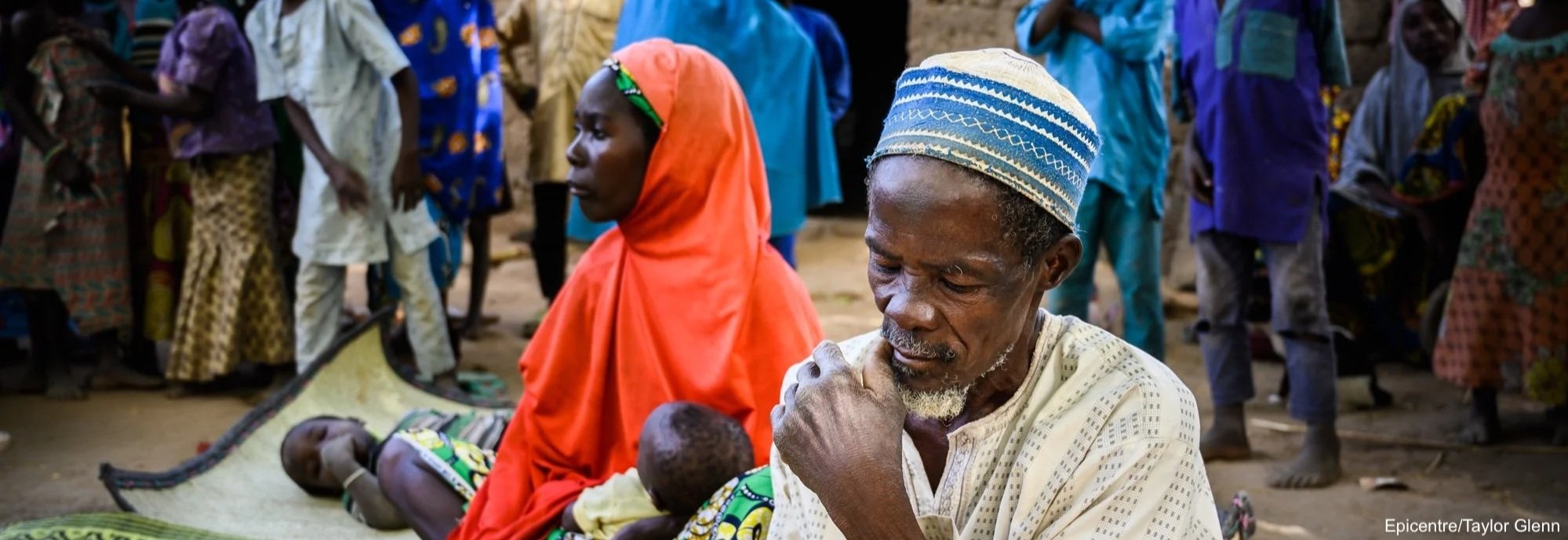
The Hidden Footprint of Survival brings into view the environmental dimensions of humanitarian nutrition that are largely absent from policy and public discourse. Through field-based investigation, it shows how climate change, water availability, and land-use affect the durability of medical and humanitarian innovation.
The documentary creates a shared analytical space for natural resource professionals, climate researchers, and humanitarians to engage with common challenges of resilience and system design. Its insights extend beyond RUTF, offering relevance to future medical and humanitarian technologies deployed at global scale.
By situating humanitarian nutrition within the contexts of land-use planning, watershed management, climate adaptation, and sustainable resource governance, the project reframes how life-saving interventions are understood and how they might be designed to endure in a rapidly changing climate.