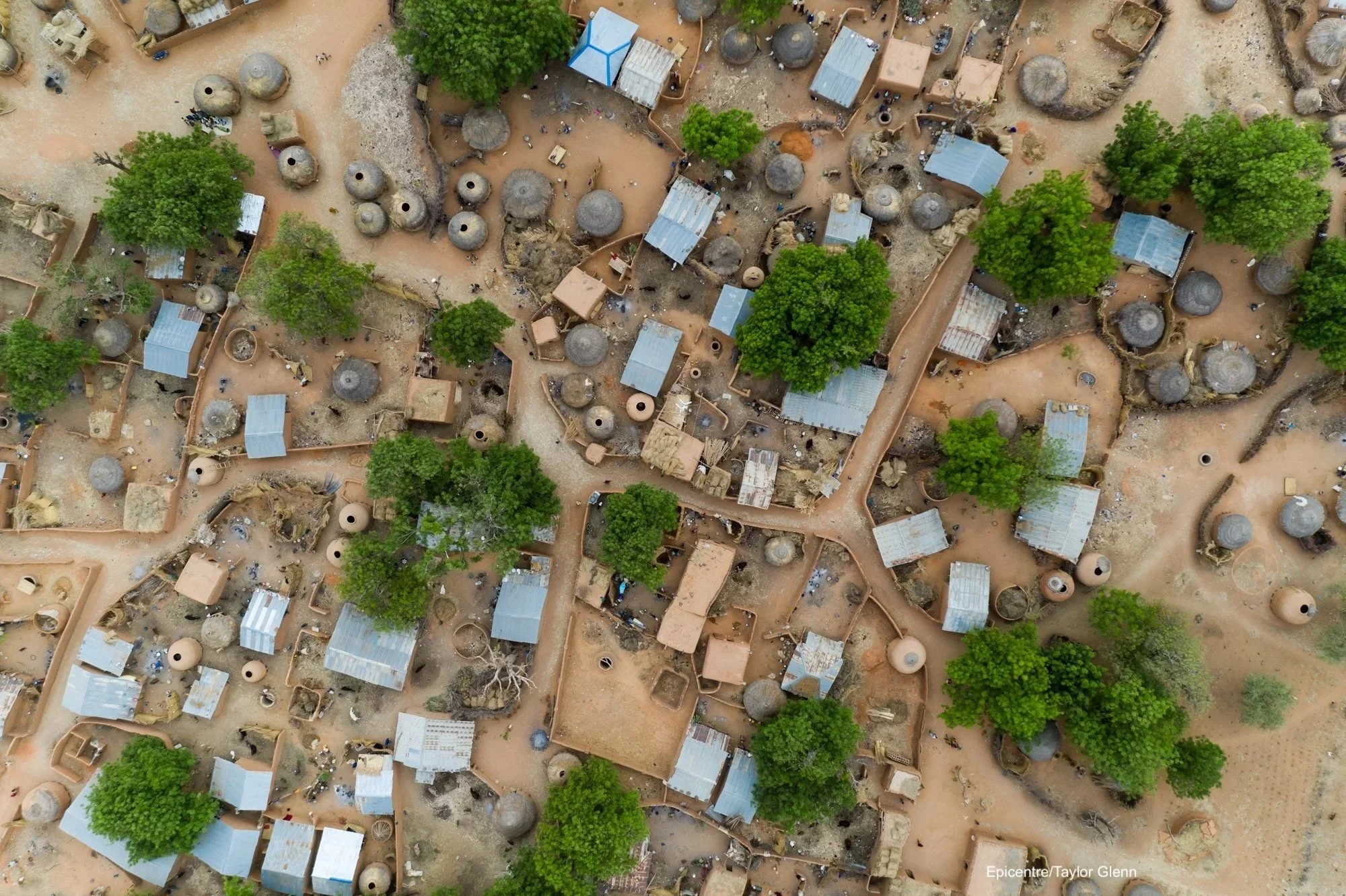
The Hidden Footprint of Survival
An Environmental Investigation of Humanitarian Nutrition
The Hidden Footprint of Survival is a feature-length investigative documentary that uses ready-to-use therapeutic food (RUTF) as a case study to examine how life-saving medical innovation is entangled with the planet’s natural systems. Through the lens of RUTF, the film explores how humanitarian supply chains intersect with wilderness landscapes, watersheds, agricultural ecosystems, and climate-sensitive resource networks at a global scale.
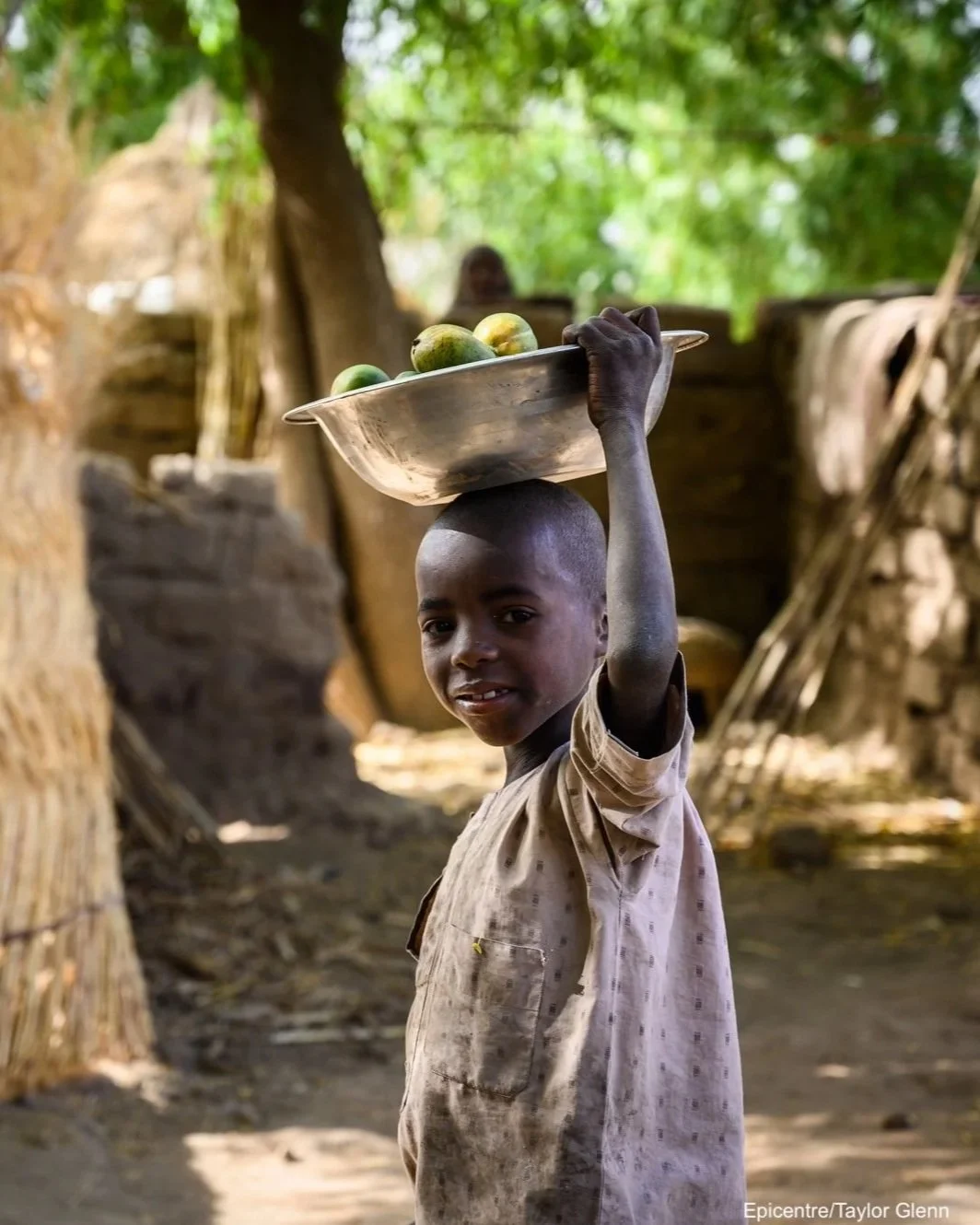
Severe acute malnutrition remains one of the leading causes of preventable child death worldwide. RUTF—shelf-stable, nutrient-dense, and deployable outside hospital settings—has transformed treatment and saved millions of lives, enabling care to reach remote and resource-limited communities with unprecedented effectiveness.
Fewer than half of the children who need RUTF receive it.
While funding, policy, and logistics are part of the story, this documentary argues that the deeper constraint lies in the environmental and resource systems that underpin production, transport, and delivery. Land use, water availability, agricultural productivity, energy infrastructure, material inputs, and long-distance transport form a largely invisible foundation for this life-saving intervention.
As climate change and environmental degradation intensify in the very regions where malnutrition is most severe, these natural systems increasingly determine whether RUTF remains affordable, reliable, and scalable. The Hidden Footprint of Survival brings this overlooked dimension into view, reframing humanitarian medicine as inseparable from the ecological systems that sustain it.